A new study has found that roughly nine in ten research papers arguing against the standard definition of ultra-processed foods were written by authors with ties to the food industry. The analysis, which examined published papers that disputed how these foods are classified, raises questions about how commercial interests can shape a scientific debate that directly affects food labelling, dietary guidelines and what shoppers are told at the supermarket shelf.
The researchers were careful about what their work does and does not show. Industry ties do not automatically make a paper wrong, and criticisms of the classification system exist on genuine scientific grounds. But when the overwhelming majority of dissenting papers share a funding or employment link, the authors argue, readers and policymakers deserve to know about it. It is a transparency question as much as a nutrition one.
The NOVA system at the centre of the debate
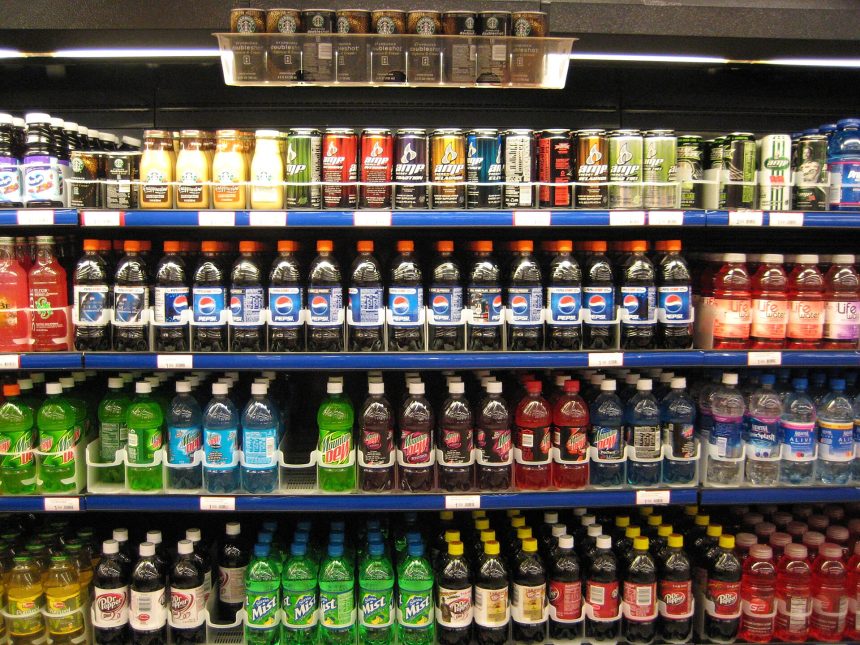
Most papers in this debate use the NOVA classification, developed by researchers at the University of São Paulo. NOVA sorts foods into four groups, from unprocessed or minimally processed items such as fruit, milk and plain rice, through to group four: ultra-processed products. That final group covers industrial formulations such as soft drinks, packaged snacks, instant noodles and reconstituted meat products, typically made with refined ingredients and additives rarely used in home kitchens.
Critics of NOVA say the net is cast too wide, grouping nutritionally different products together and sometimes flagging items that can fit comfortably into a balanced diet. Supporters reply that the system captures something real about how industrial processing changes food, and point to observational studies linking high ultra-processed consumption with poorer health outcomes. The World Health Organization and other public health bodies continue to monitor this evidence as it develops.
Why funding links matter
Science has wrestled with sponsor influence for decades, from tobacco to pharmaceuticals. The concern is rarely outright fabrication. It is subtler: which questions get asked, which comparisons get made, and which results get emphasised in the abstract that busy readers actually see. A paper can be methodologically tidy and still steer a debate by framing, for example by stressing the weaknesses of a classification while saying less about the evidence behind it.
In this case, the pattern the study describes is stark. Papers questioning the definition were far more likely to carry industry connections than the wider literature on the topic. For context on how research findings reach the public, our report on this recent article explored a similar gap between what studies show and how they are summarised.
A note on what the study did not do
It is worth being precise about the study’s limits. It audited papers about a definition; it did not test diets, measure disease or re-analyse the outcome data linking ultra-processed consumption to health. Readers will meet versions of the finding online that claim far more than that, usually within hours of publication. The honest version is quieter and, for that reason, more useful: the scientific argument about how to classify these foods has been conducted largely by scientists connected to one interested party.
That framing also protects legitimate criticism. If NOVA’s categories are too broad — and some independent researchers believe they are — the remedy is better independent research, not silence. A debate in which both sides are transparently funded is one the public can actually follow.
What it means for labels and shoppers
The practical stakes sit in the supermarket. Several countries already use processing-based warnings or are debating them, and food labelling rules in the United States are overseen by the US Food and Drug Administration. If the underlying definition is seen as contested, labelling proposals built on it face an uphill political fight, which is precisely why the funding behind the contest matters.
For consumers, the sensible takeaway is modest. The study is not proof that every ultra-processed product is harmful, and it does not settle how any individual should eat. It is a reminder to read health headlines the way researchers read papers: check who funded the work, look for declared conflicts of interest, and be wary of any single study — industry-linked or not — that claims the debate is closed. As we noted in this related explainer, nutrition science rewards patience more than certainty.