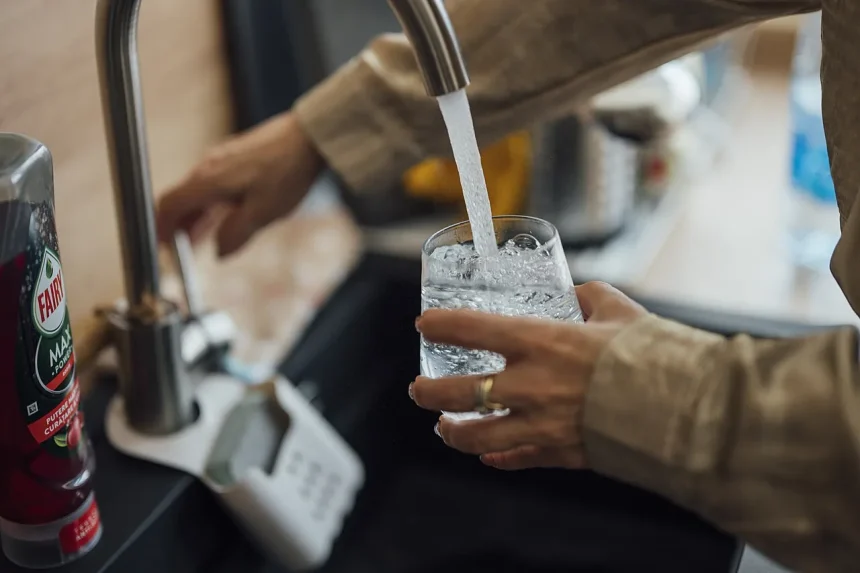
Fill a glass at the kitchen sink in much of the world and the water inside it has passed more safety checks than almost any drink you can buy. Yet a new survey of 15,000 people across 81 countries finds that bottled water keeps winning the daily contest anyway. The reason, researchers say, is rarely chemistry. It is trust — and trust, once lost, is remarkably hard for a water utility to win back.
The study behind our news coverage found that consumption of bottled water persists even among people who know about microplastics and plastic waste. Convenience and marketing play their part, but the deeper driver is a quiet scepticism about what comes out of the tap: how it tastes, how old the pipes are, and whether officials would tell the public quickly if something went wrong.
Taste is the first argument, and it is a powerful one
Most people do not judge water with a laboratory report. They judge it with their tongue. Chlorine, used to keep water safe on its journey through the network, leaves a flavour that many read as chemical and therefore suspicious. Warm water from a rooftop tank, a metallic note from ageing household plumbing, or a faint discolouration after pipe repairs can undo years of reassuring test results in a single glass.
Utilities often respond with data, publishing long tables of parameters that few residents read and fewer understand. The survey suggests that approach misses the point. People compare an abstract promise — the water is tested constantly — with a sealed bottle that looks controlled, standardised and untouched. The bottle feels like a guarantee, even when the water inside began life in the same municipal system.
Old pipes and older scandals cast long shadows
Every city carries a memory. A contamination scare, a boil-water notice that lasted a week, discoloured water after a main burst — events like these lodge in public consciousness far longer than the all-clear that follows them. In neighbourhoods where infrastructure is visibly ageing, residents reasonably ask whether the water that left the treatment plant in good condition arrives at their tap in the same state.
That gap between the treatment plant and the tap is where trust erodes. The World Health Organization drinking-water fact sheet notes that safely managed services depend on the whole chain, from source protection to household plumbing. Where any link looks neglected — corroded mains, intermittent supply, storage tanks on roofs — households hedge their bets with bottles, filters and boiled water, often all three.
What actually rebuilds confidence
The places that have narrowed the bottled-water habit tend to share a few habits of their own. They publish test results in plain language, street by street, rather than as annual averages. They warn residents early and specifically when work on the network might affect taste or colour, instead of letting people discover it at the sink. And they invest visibly: a replaced water main is not only engineering, it is communication you can see from your front door.
Public refill stations and well-maintained drinking fountains help too, because they turn tap water from a private worry into a public, shared experience. Schools that test and display their water quality, and restaurants that serve tap water without apology, quietly normalise the idea that the municipal supply is the default, not the fallback.
The cost of giving up on the tap
None of this is free of consequence. Bottled water costs households many times more per litre than tap water, and the burden falls hardest on families least able to pay. The US EPA ground water and drinking water resources underline how much monitoring stands behind regulated public supplies — monitoring that bottled products, in many markets, are not required to match in public.
The survey of 81 countries is best read as a map of confidence rather than a map of contamination. Where people trust their institutions, they drink from the tap and think nothing of it. Where they do not, they pay for reassurance by the bottle. Closing that gap is less about persuading people that their senses are wrong, and more about giving them reasons — visible, local and repeated — to believe the glass in their hand. More reporting on water and public health is collected on our homepage.