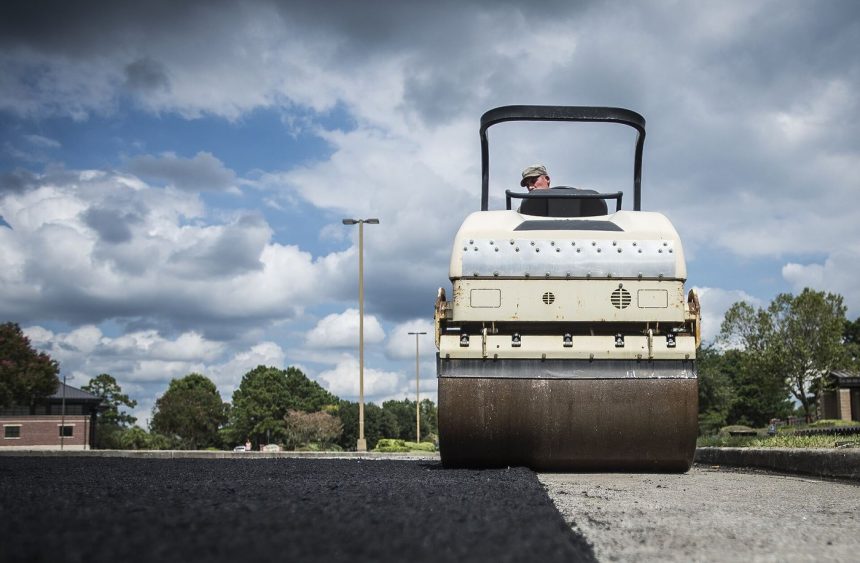
Road repair crews are turning old motorways into their own supply of new surface. Modern recycling trains and local plants can mill worn asphalt, screen the material and re lay it with fresh binder, sometimes incorporating recycled tyres or glass. Highway agencies say high recycled content cuts cost, quarry demand and truck movements while reopening lanes sooner. The challenge is consistency: reclaimed material varies by road and age, so laboratories now test every batch carefully to ensure the repaired surface resists rutting, cracking and heavy rain as well as conventional asphalt mixes.
What the Evidence Shows
Engineers are pairing recycling with sensors and better records, logging exactly what went into each stretch so future repairs start with knowledge rather than guesswork. Contracts increasingly reward contractors for recycled content and durability together, avoiding perverse incentives to lay thin surfaces that fail early. Councils with tight budgets see particular value in reusing material already on site. Environmental gains depend on transport distances and plant energy, so local processing matters. Done well, recycled asphalt turns a maintenance backlog into a circular supply chain hiding in plain sight. Reporting and analysis from sources such as Wired track the same developments, and specialists following old roads become new surfaces say the direction is now consistent across independent lines of evidence.
The Wider Context
The wider context is an industry learning to ship capability and restraint together. Products built around old roads become new surfaces now launch with safety evaluations, usage data and rollback plans as standard, because enterprise buyers and regulators ask for them in the first meeting. Companies that treated those questions as friction are discovering they have become the purchase criteria.
What Happens Next
What happens next for old roads become new surfaces depends less on another breakthrough than on the unglamorous work of reliability, pricing and support. The buyers evaluating it now are not enthusiasts; they are operators with budgets and auditors, and their checklists will decide the timeline. On the evidence of the current pilots, the technology has earned the right to be judged by them. You can follow related developments in our coverage of technology.
None of this will be settled by a single announcement, study or product launch. The pattern to watch is accumulation: independent confirmations, honest reporting of failures and steady improvement in the underlying numbers. Readers who follow those signals, rather than the loudest claim of the week, will understand this subject better than most of the commentary surrounding it suggests is possible.
There is a practical lesson in all of this for readers deciding what to do today. Start with the verified facts, be wary of anyone promising certainty, and prefer reversible steps while the evidence is still developing. Circumstances differ by country, income and personal situation, so general guidance should always be weighed against your own context before you act on it in any significant or lasting way.