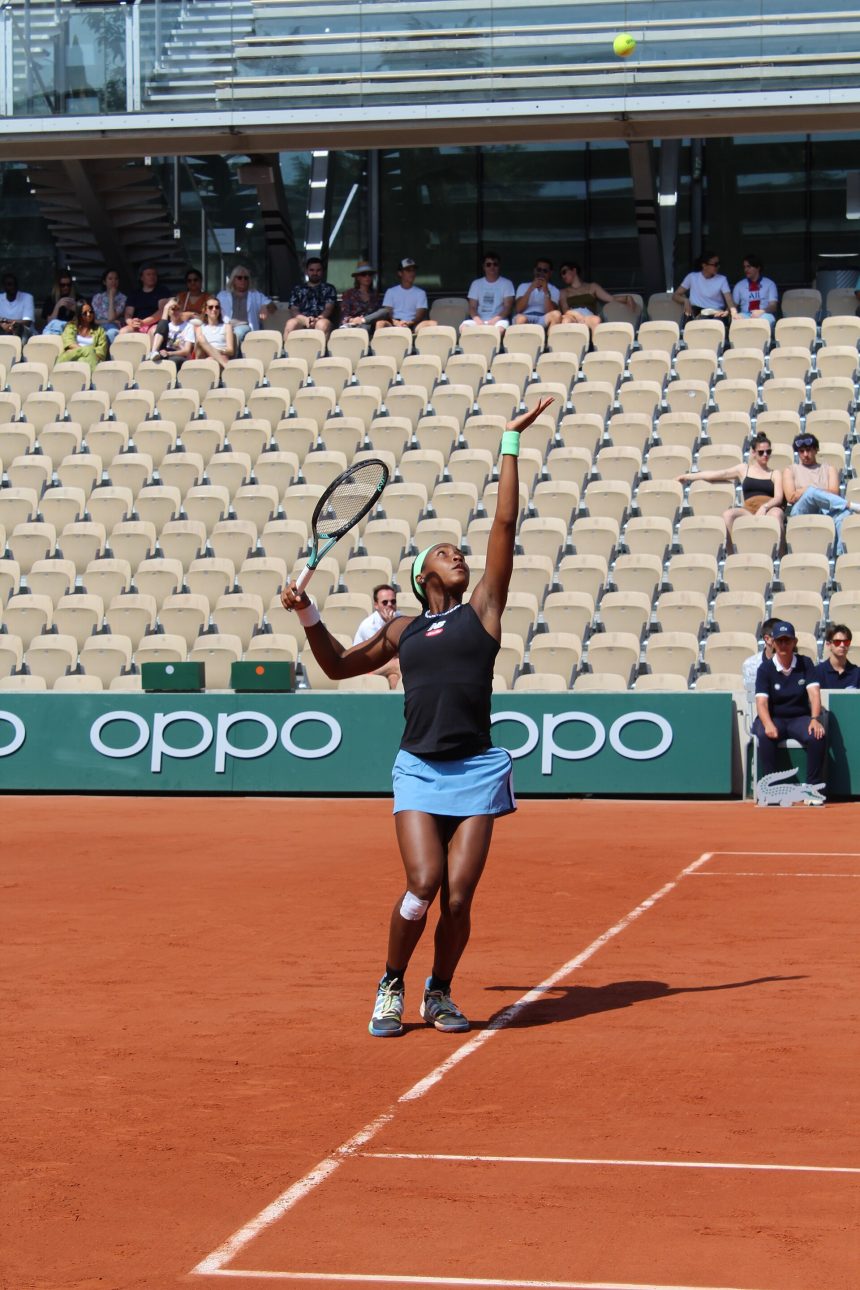
Search trends in tennis usually belong to grand slam champions and viral on-court moments, which is exactly why Talia Gibson’s name keeps surfacing. The young Australian has been steadily converting promise into results, and each deep run at a bigger event sends another wave of fans looking her up. Trending status in tennis is rarely an accident: it follows wins, and Gibson has been collecting the kind of wins — against higher-ranked opponents, on bigger courts — that turn a prospect into a storyline.
Gibson’s game is built for the modern tour. She strikes the ball early and flat from the baseline, takes time away from opponents, and competes with a composure that belies her age. Australian tennis has a proud production line, and the pathway she has followed — national junior success, grinding ITF events, then qualifying draws at tour level — is the one that tends to produce durable professionals rather than brief sensations. Her profile and results are tracked on the official WTA player pages, where the ranking graph tells the story of a player moving in one direction.
Why This Moment Matters for Her Career
Every rising player reaches a threshold season, the one where promising results must become consistent results. The difference between the top 150 and the top 80 is not talent; it is the ability to win three matches in a week, on different surfaces, against different styles, while travelling constantly. Gibson’s recent trajectory suggests she is learning that rhythm. Wins breed direct entry into bigger draws, bigger draws mean more ranking points on offer, and the flywheel starts to turn in a player’s favour.
There is also a home-country dimension. Australian crowds adopt their own early and loudly, and a player trending at home gains the kind of support that can lift performances during the summer swing. Tennis Australia’s coverage of its emerging players, available through Tennis Australia, has increasingly featured Gibson as part of the next wave expected to carry local hopes at Melbourne Park and beyond. You can follow more rising-player profiles in our sports section.
What Comes Next
The calendar ahead will test the rise. Bigger tournaments mean facing top-30 opponents in second rounds rather than finals, and the learning curve is steep: return positioning, second-serve aggression and managing the emotional dips inside matches are the details that separate tour regulars from tour winners. Gibson’s team will be targeting the ranking band that guarantees grand slam main-draw entry without qualifying — the single biggest quality-of-life jump in professional tennis.
Whether this trending moment becomes a breakthrough season depends on the next few months, but the direction of travel is unmistakable. Fans searching her name this week are early to a story that looks built to last: a talented, hard-hitting Australian, improving in public, one statement win at a time.
The Bigger Picture in Women’s Tennis
Gibson’s rise also lands at an interesting moment for the women’s game. The tour’s top tier has consolidated around a small group of dominant champions, but beneath them the depth has never been greater, and the route into the top fifty now runs through exactly the kind of grinding, multi-surface consistency Gibson is assembling. Players who break through in this environment tend to stay, because nothing about their ranking is borrowed — every point was defended somewhere uncomfortable. Australian tennis, which measures itself by its January, will give her every opportunity: home crowds, home media and a home grand slam where a single run can transform a career’s economics and confidence. The trending searches are the surface of the story. Underneath is a development arc built the slow way, now arriving at the level where the sport’s biggest stages decide whether a prospect becomes a fixture. On current evidence, Gibson is not visiting the tour’s upper reaches. She is moving in.