A Business Continuity Plan (BCP) is a comprehensive strategy designed to ensure that an organization can continue operating and recover quickly in the event of disruptions, emergencies, or unexpected events. These disruptions could range from natural disasters, cyberattacks, or equipment failures to pandemics or supply chain interruptions. The goal of a BCP is to minimize downtime, protect critical business functions, and safeguard the company’s reputation, assets, and personnel.
A BCP outlines a structured approach, including risk assessments, emergency procedures, and recovery strategies, to enable a business to resume normal operations with minimal impact. It involves all aspects of the business, from technology infrastructure to human resources, and emphasizes the importance of preparation, communication, and testing to ensure a quick and efficient recovery. In short, a well-designed BCP is essential for maintaining business stability and resilience in the face of unforeseen challenges.
What Is a Business Continuity Plan (BCP)?
A Business Continuity Plan (BCP) is a proactive strategy that organizations create to ensure they can continue operating during and after a significant disruption or disaster. It involves planning and preparing for potential risks that could impact the business, such as natural disasters (e.g., floods, earthquakes), cyberattacks, power outages, equipment failures, pandemics, or any other event that could interrupt normal operations.
A BCP typically includes:
- Risk Assessment: Identifying potential threats and vulnerabilities to the business.
- Critical Function Identification: Determining which business functions are essential to keep running and how to protect them.
- Recovery Strategies: Develop plans and procedures to restore critical functions and minimize downtime.
- Communication Plans: Ensuring clear communication with employees, stakeholders, and customers during a disruption.
- Testing and Updates: Regularly test the plan to ensure its effectiveness and update it as needed.
Ultimately, a BCP helps businesses minimize the impact of disruptions, maintain customer trust, and recover as quickly as possible.
Understanding Business Continuity Plans (BCPs)
Business Continuity Plans (BCPs) are critical to the long-term sustainability of any organization. Disruptions, whether from external threats or internal challenges, can cause significant financial losses, operational halts, and long-term damage to a company’s reputation. Extended periods of inactivity often result in reduced profitability, increased costs, and may even lead to bankruptcy if not properly addressed.
The primary objective of a BCP is to restore business operations swiftly, with minimal disruption. At its core, a BCP involves identifying potential risks that could threaten the continuity of a company’s operations, making it an integral component of an organization’s broader risk management framework. These risks may include natural disasters (such as fires, floods, or weather-related events), acts of terrorism, or cyberattacks, among others.
Once these risks are identified, a well-crafted BCP should include the following key elements:
- Impact Assessment: Analyzing how each identified risk could affect day-to-day operations.
- Risk Mitigation: Implementing safeguards, protocols, and procedures to prevent or minimize the risks.
- Testing & Validation: Regularly testing and refining the procedures to ensure they are effective in real-world scenarios.
- Ongoing Review: Continuously reviewing and updating the plan to adapt to new threats and changing business conditions.
It’s important to note that insurance alone is not sufficient to safeguard against all risks. Insurance policies typically do not cover the full spectrum of financial loss or customer attrition due to operational downtime. As such, a comprehensive BCP should be developed well in advance, with input from key stakeholders and critical personnel, ensuring that the organization is fully prepared to navigate any potential disruptions.
Benefits of a Business Continuity Plan
A Business Continuity Plan (BCP) offers numerous benefits that can significantly enhance an organization’s resilience and long-term success. Here are some of the key advantages:
Minimized Downtime: A BCP ensures that critical business operations can continue or be quickly restored in the event of a disruption. By having predefined processes and resources in place, the company can minimize the length of time it takes to get back to full operation, reducing losses caused by downtime.
Reduced Financial Loss: By preparing for potential disruptions, businesses can mitigate the financial impact of incidents. The BCP helps protect revenue streams, reduce unexpected expenses, and avoid the costs associated with prolonged recovery efforts or lawsuits.
Enhanced Risk Management: The process of developing a BCP includes identifying potential risks, allowing organizations to understand and address vulnerabilities proactively. By anticipating and preparing for various threats—whether natural disasters, cyberattacks, or supply chain disruptions—a company can reduce the likelihood of serious impacts.
Improved Reputation and Customer Trust: A company that demonstrates preparedness and the ability to recover quickly from disruptions builds trust with customers, partners, and stakeholders. A solid BCP assures clients that the business is reliable, even in difficult times, improving overall reputation.
Regulatory Compliance: Many industries are required by law or regulation to have business continuity measures in place. A BCP ensures compliance with these requirements, avoiding legal penalties and helping maintain the organization’s standing in the market.
Employee Confidence and Morale: Employees feel more secure knowing that their employer has plans to protect the business and their jobs in the event of a disaster. A BCP provides clarity on roles, responsibilities, and actions during an emergency, helping maintain employee morale and confidence.
Competitive Advantage: In industries where operational disruptions can lead to the loss of customers, having a BCP can be a key differentiator. Companies with firm continuity plans are more likely to retain customers and recover quickly, giving them an edge over competitors who may be less prepared.
Smoother Recovery: Having a straightforward and tested recovery process allows businesses to rebound faster from disruptions. A well-executed BCP helps organizations resume operations without scrambling, ensuring a more efficient and organized recovery.
A Business Continuity Plan is a vital tool for preserving a company’s financial health, reputation, and longevity, providing stability even in the face of unexpected events.
Visit Now: What Is Business Ethics? Definition, Principles, and Importance
How To Create a Business Continuity Plan
Creating a Business Continuity Plan (BCP) requires a structured approach to ensure that your organization can continue operating during and after a disruption. The process involves identifying potential risks, developing strategies to mitigate those risks, and creating detailed procedures for recovery. Here’s a step-by-step guide to help you create a comprehensive BCP:
1. Conduct a Business Impact Analysis (BIA)
- Objective: Identify critical business functions and processes, and assess the potential impact of disruptions on them.
- Actions:
- List all business operations and prioritize them based on their importance.
- Determine the potential financial, operational, and reputational impact of each process being disrupted.
- Identify the maximum acceptable downtime (MAD) for each critical function before the business starts suffering significant losses.
2. Identify Potential Risks and Threats
- Objective: Recognize the potential risks that could cause business disruptions.
- Actions:
- Consider both external threats (e.g., natural disasters, cyberattacks, supply chain disruptions) and internal threats (e.g., equipment failure, employee absenteeism).
- Evaluate the likelihood and severity of each risk.
- Document and categorize the risks based on their impact on business operations.
3. Develop Recovery Strategies
- Objective: Establish strategies to restore operations as quickly as possible after a disruption.
- Actions:
- Technology and Data: Ensure that backup systems are in place for critical IT infrastructure, including data backups, cloud services, and disaster recovery solutions.
- Human Resources: Identify key personnel and their backup counterparts. Create a plan for maintaining workforce operations in case of illness or unavailability.
- Supply Chain: Develop alternatives for sourcing essential materials or services if your primary suppliers are disrupted.
- Facilities: If your primary business location becomes unusable, determine alternate workspaces or remote work solutions.
4. Create a Communication Plan
- Objective: Ensure clear communication during and after an incident, both internally and externally.
- Actions:
- Identify key stakeholders (employees, customers, vendors, regulators, etc.) and establish communication channels.
- Develop templates for messaging in different scenarios (e.g., crisis announcements, recovery updates).
- Designate spokespersons and establish procedures for communicating during a crisis.
5. Establish Roles and Responsibilities
- Objective: Assign specific tasks to employees to ensure effective execution of the BCP.
- Actions:
- Designate a Business Continuity Team with specific roles (e.g., incident commander, IT support, communications lead, logistics coordinator).
- Clearly define the responsibilities of each team member and their duties during an emergency.
6. Develop and Document the BCP
- Objective: Create a detailed, written plan that outlines all aspects of the BCP.
- Actions:
- Document the steps to take for each identified risk and recovery strategy.
- Include contact information for key personnel, vendors, and external partners.
- Ensure the plan includes both short-term and long-term recovery procedures.
7. Test the Plan
- Objective: Ensure the BCP is effective and that employees are prepared to execute it.
- Actions:
- Conduct tabletop exercises (simulations) to walk through the BCP with your team.
- Perform regular disaster recovery drills and business continuity tests, such as data recovery or remote work procedures.
- Evaluate the results and make adjustments to the plan based on any issues identified during testing.
8. Review and Update the Plan Regularly
- Objective: Ensure the BCP remains relevant and effective over time.
- Actions:
- Schedule regular reviews of the plan, especially after major organizational changes (e.g., new technology, personnel changes, or shifts in business operations).
- Update the BCP to reflect any new risks or changes in the business environment.
- Continue testing the plan periodically to keep employees familiar with the procedures.
9. Ensure Accessibility and Storage
- Objective: Make sure the BCP is easily accessible and stored securely.
- Actions:
- Store the BCP in both digital and physical formats, ensuring that authorized personnel can access it at any time.
- Keep backups of the plan in multiple locations, including remote or cloud-based storage, to ensure access in case of emergencies.
Business Continuity Impact Analysis
A key component of developing a Business Continuity Plan (BCP) is conducting a Business Continuity Impact Analysis (BCIA). This analysis helps identify the potential effects of disruptions to business functions and processes, and uses this information to determine recovery priorities and strategies.
The Federal Emergency Management Agency (FEMA) offers an operational and financial impact worksheet to assist in conducting a business continuity analysis. This worksheet should be completed by managers familiar with the organization’s business functions and processes. The worksheet helps summarize:
- The financial and operational impacts caused by the loss of specific business functions and processes.
- The point at which the loss of a function or process would lead to significant business impacts.
Completing the analysis enables companies to pinpoint and prioritize the functions and processes that have the most critical impact on business operations and finances. The “recovery time objective” (RTO) is typically defined as the time within which these functions must be restored to avoid severe disruption to business activities.
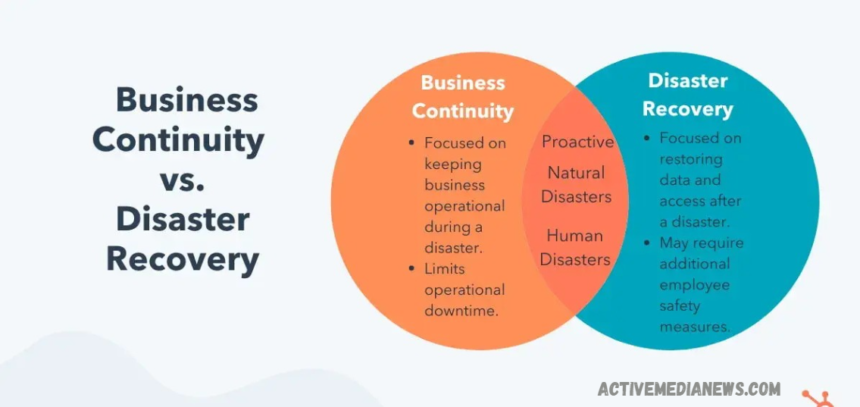
Business Continuity Plan vs. Disaster Recovery Plan
Business Continuity Plans (BCPs) and Disaster Recovery Plans (DRPs) share similarities, particularly in their goal to ensure that an organization can recover from disruptions. However, they differ in scope and focus. While a DRP targets explicitly the recovery of technology and IT infrastructure, a BCP is broader, addressing the entire organization. BCPs encompass critical areas such as customer service, supply chain management, and overall operational continuity. Their primary objective is to minimize downtime, reduce costs, and mitigate potential losses across all aspects of the business.
In contrast, Disaster Recovery Plans are narrowly focused on minimizing the impact of technology-related disruptions, such as system outages, communication failures, or cyberattacks. DRPs are primarily concerned with restoring IT systems and data, and IT personnel usually have responsibility for their creation and management.
While disaster recovery plans involve a limited group of IT specialists, business continuity plans require input and coordination from a broader range of personnel across the organization. These teams are trained on various processes to ensure that the company can maintain or quickly resume its critical functions during and after a crisis.
Frequently Asked Questions
What is a Business Continuity Plan (BCP)?
A Business Continuity Plan (BCP) is a comprehensive strategy that outlines how an organization will maintain or quickly resume its critical operations during and after a disruption. The plan helps ensure minimal downtime, protects company assets, and mitigates financial losses due to emergencies like natural disasters, cyberattacks, or supply chain disruptions.
Why is a Business Continuity Plan important?
A BCP is crucial because it ensures that a business can continue operating during unexpected disruptions, protecting the company from significant financial losses, reputational damage, and potential closure. It helps organizations plan for risks and prepares them to recover essential operations quickly, safeguarding both employees and customers.
What is the difference between a Business Continuity Plan (BCP) and a Disaster Recovery Plan (DRP)?
While both BCPs and DRPs are part of an organization’s risk management strategy, they have different focuses. A BCP is broader and encompasses all aspects of the business, including customer service, supply chain management, and operations. It aims to ensure the business can continue with minimal interruptions. A DRP, on the other hand, focuses explicitly on IT infrastructure and data recovery after disruptions, such as server failures or cyberattacks.
What is a Business Impact Analysis (BIA), and why is it essential for a BCP?
A Business Impact Analysis (BIA) is a critical process in developing a BCP. It identifies and evaluates the potential impact of disruptions to business functions. The BIA helps prioritize recovery efforts based on which functions are most vital to the business. This ensures that the most critical operations are restored first, minimizing financial and operational losses.
How often should a Business Continuity Plan be tested and updated?
A BCP should be tested regularly, typically at least once a year, through simulations or tabletop exercises to ensure that it works effectively in real-world scenarios. The plan should also be updated whenever significant changes occur in business operations, IT systems, or organizational structure to ensure that it stays relevant.
What is a Recovery Time Objective (RTO)?
The Recovery Time Objective (RTO) is the maximum acceptable amount of time that a business function can be disrupted before it starts to cause significant financial or operational damage. Establishing RTOs for critical functions helps businesses prioritize recovery efforts and allocate resources effectively during a crisis.
Conclusion
A Business Continuity Plan (BCP) is a vital strategic framework that ensures an organization can continue functioning during and after disruptive events. By identifying potential risks, assessing their impacts, and implementing recovery strategies, a BCP helps minimize downtime, protect critical operations, and safeguard both financial and reputational assets.
While it focuses on the entire organization, including business processes, personnel, and technology, the BCP works hand-in-hand with disaster recovery plans (DRPs) to ensure a swift recovery from IT-related disruptions. The key to an effective BCP lies in thorough planning, regular testing, and continuous updates to adapt to new challenges and evolving risks.