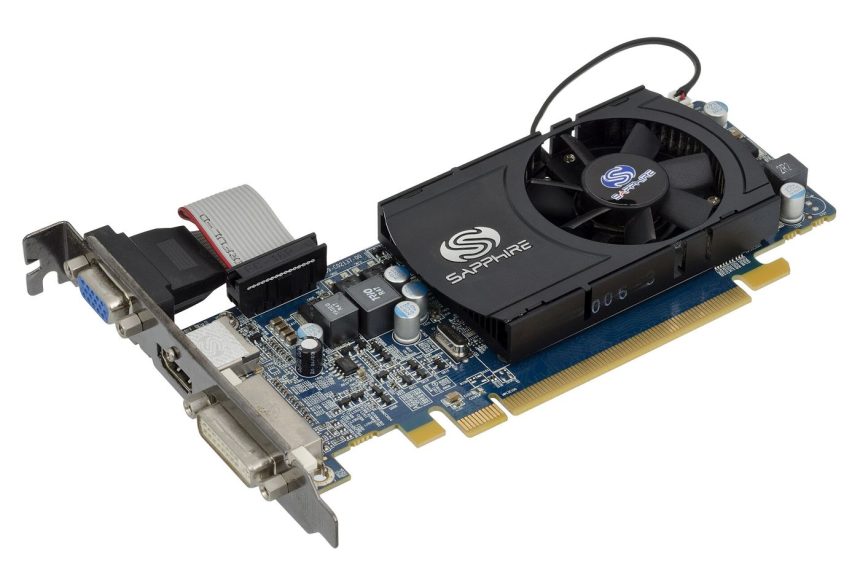
A modern video game is a feat of visual engineering, with detailed landscapes, lifelike characters and lighting that shifts as the sun moves across a virtual sky. All of that imagery is drawn by the graphics card, a specialised processor that sits inside a gaming computer and handles millions of calculations every second. While the main processor juggles the game’s logic, the graphics card focuses on one job: turning data into pictures, sixty or more times a second. It draws every surface, shadow and reflection, and modern cards can trace the path of individual rays of light to make reflections and shadows look natural. The result is a world that feels solid and believable, whether the player is racing through a city or exploring an alien planet. Graphics cards have also become essential tools for video editing, design and scientific visualisation. Without them, modern games would be impossible to play at the quality players expect.
What the Evidence Shows
The hardware keeps advancing. Each new generation of graphics cards adds more processing cores, faster memory and smarter techniques for producing smooth images without doing every calculation from scratch. One such technique renders a scene at a lower resolution and then reconstructs it sharply, letting games run faster while still looking detailed. Cooling has become a major design challenge, since powerful cards generate a great deal of heat and need large fans or liquid cooling to stay within safe temperatures. Prices vary widely, from modest cards that handle popular games comfortably to flagship models aimed at enthusiasts chasing the highest frame rates. For most players, a mid-range card paired with a good monitor offers the best balance, and the visual gap between generations is now smaller than it once was. Reporting and analysis from sources such as IEEE Spectrum track the same developments, and specialists following the graphics cards bringing realistic worlds to gamers say the direction is now consistent across independent lines of evidence.
The Wider Context
Adoption of the graphics cards bringing realistic worlds to gamers follows a familiar pattern with an unfamiliar speed. Early users tolerate rough edges in exchange for advantage, mainstream users arrive when the tool disappears into existing workflows, and the market consolidates around whoever made that transition feel effortless. Vendors are racing less on raw performance now than on integration, support and trust.
What Happens Next
The realistic forecast for the graphics cards bringing realistic worlds to gamers is steady integration rather than sudden replacement: embedded in products people already use, improving in increments, and regulated in proportion to its reach. The companies and institutions that plan on that basis, training staff and redesigning processes instead of chasing launches, are the ones the adoption data tends to vindicate. You can follow related developments in our coverage of technology.
It is also worth remembering how quickly the picture in this area has changed before. Positions that looked settled a few years ago have been revised as new data arrived, and the same humility is appropriate now. The strongest coverage of this subject, and the most useful advice, tends to come from sources that update their views openly when the facts move, rather than defending an earlier position long after it has stopped fitting the evidence available.