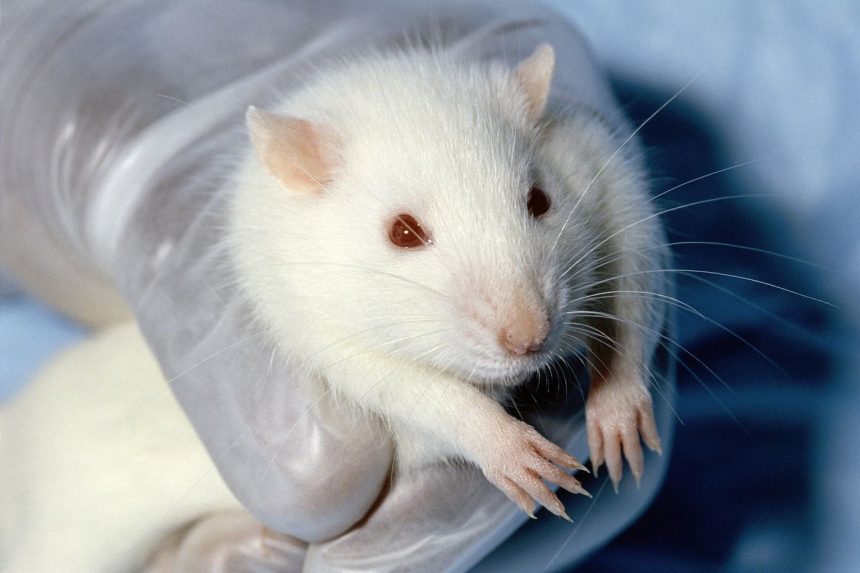
Burrhus Frederic Skinner showed that behaviour is shaped less by what comes before it than by what follows it. Working at Harvard University in the 1930s, Skinner placed rats and pigeons in a small chamber, later known as the Skinner box, where pressing a lever delivered food. The animals quickly learned to press the lever more often, and Skinner called this learning by consequences operant conditioning. He set out the idea in his 1938 book, The Behavior of Organisms. A reward that follows an action, which he called reinforcement, makes the action more likely, while punishment makes it less likely. He also distinguished positive reinforcement, adding something pleasant, from negative reinforcement, removing something unpleasant, a distinction that is still widely misunderstood. Skinner, who taught at Harvard University for decades, believed that behaviour could be understood entirely through its consequences, without reference to inner thoughts.
What the Evidence Shows
Skinner’s most lasting finding was about timing. Rewards given every time work quickly but fade fast, while rewards given on an unpredictable schedule, like a slot machine paying out at irregular intervals, produce behaviour that is much harder to extinguish. This variable-ratio schedule explains why gambling and social media notifications are so compelling. Skinner’s ideas shaped classrooms, workplaces and animal training, and his 1948 novel Walden Two imagined a community run on behavioural principles. Critics argued that he ignored thoughts and feelings, and later psychology brought the mind back into the picture. Even so, the basic rule he found has held up: behaviour followed by a good outcome tends to be repeated. He also showed that punishment is a weaker tool than reinforcement, because it suppresses behaviour only temporarily and can create fear and resentment rather than lasting change. Reporting and analysis from sources such as Nature Human Behaviour track the same developments, and specialists following Skinner’s operant conditioning say the direction is now consistent across independent lines of evidence.
The Wider Context
The wider context is a discipline rebuilding confidence through replication and pre-registration, and findings on Skinner’s operant conditioning are being reported with their effect sizes and limits attached. That honesty can make results sound smaller than the headlines of a decade ago, but the effects that survive are the ones practitioners can responsibly build on.
What Happens Next
What happens next in research on Skinner’s operant conditioning is a turn toward real-world trials: longer, larger and conducted in the schools, workplaces and clinics where the findings are meant to apply. Psychologists are also studying individual differences more seriously, because average effects conceal the people for whom an approach works powerfully and those it leaves cold. Both shifts make the science slower and more useful. You can follow related developments in our coverage of psychology.
None of this will be settled by a single announcement, study or product launch. The pattern to watch is accumulation: independent confirmations, honest reporting of failures and steady improvement in the underlying numbers. Readers who follow those signals, rather than the loudest claim of the week, will understand this subject better than most of the commentary surrounding it suggests is possible.